Generational Cocoa Bean Farmers Behind Indonesia's Export
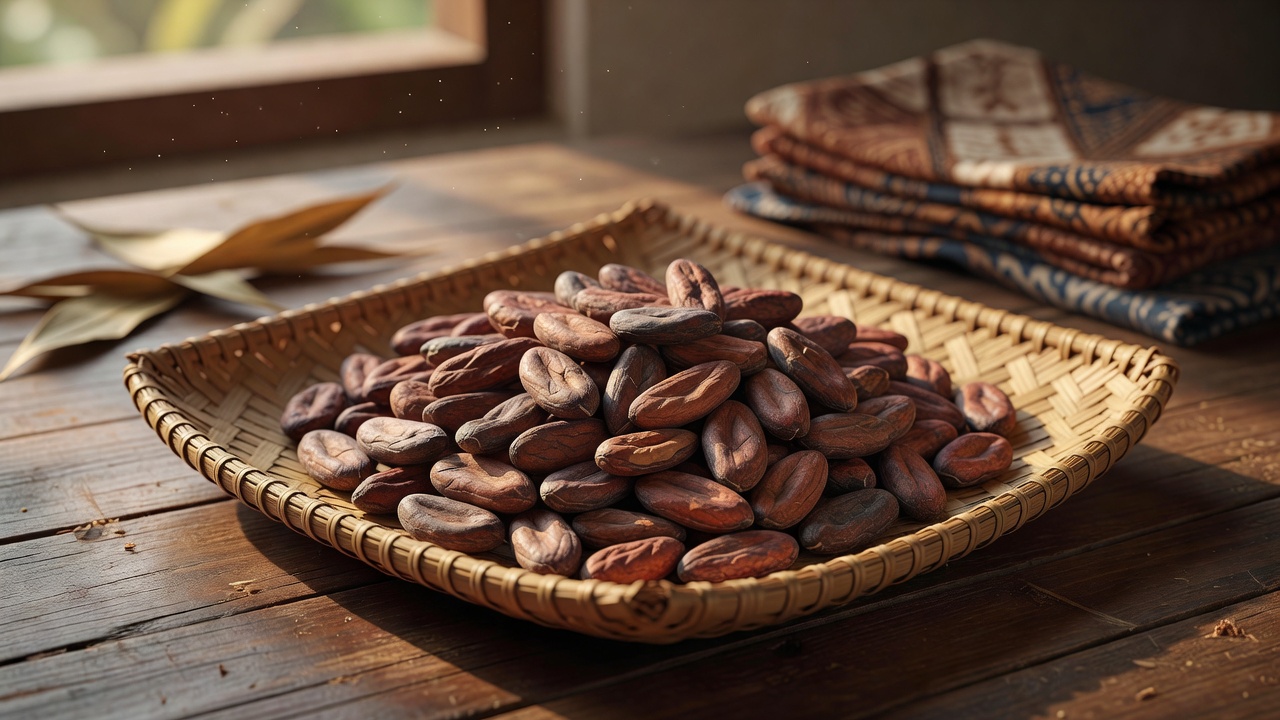
Behind every shipment of premium Indonesian cocoa beans lies a story that spans generations—farmers who have cultivated Theobroma cacao on the same volcanic slopes their grandparents once tended. At TasikSpice, we believe the true value of bulk cocoa Indonesia goes beyond moisture content and bean count; it lives in the hands of smallholder families in Sulawesi and Sumatra who turn raw pods into some of the world's most sought-after fermented cocoa. Known locally as biji kakao, these beans carry a legacy of patience, skill, and deep agricultural knowledge that no machine can replicate.
The Roots of Indonesian Cocoa: Sulawesi and Sumatra
While TasikSpice operates from the highland spice hub of Tasikmalaya, West Java, our cocoa bean supply chain is anchored in two of Indonesia's most storied growing regions: Sulawesi and Sumatra. Here, smallholder farmers manage plots averaging 1–2 hectares, often intercropping cocoa with coconut, banana, and shade trees. This agroforestry model has been passed down for at least four generations, creating a resilient ecosystem that naturally suppresses pests and maintains soil fertility.
Take Pak Darman, a third-generation cocoa farmer in Luwu, South Sulawesi. His grandfather planted the family's first cocoa trees in the 1960s, selecting local hybrids known for their hardiness and high butter content. Today, Pak Darman still uses his grandfather's pruning calendar—timing cuts to the lunar cycle, a practice modern agronomists now recognize as beneficial for sap flow and pod set. His 2-hectare plot yields around 1.2 metric tons of dry beans per year, all of which TasikSpice sources directly, bypassing middlemen and returning more profit to the farm.
In West Sumatra, Ibu Ratna represents a newer generation of female-led cocoa farms. After inheriting her family's land in Lima Puluh Kota, she introduced shade management techniques learned from her mother while adopting organic composting to combat the region's pod borer pressure. Her beans consistently score in the top 10% for fermentation quality in TasikSpice's supplier audits. Stories like these are not exceptions—they are the foundation of Indonesian cocoa.
Fermented Cocoa: The Art Passed Down Through Generations
What separates commodity-grade cocoa from specialty export beans is almost always fermentation. Indonesian farmers have refined this post-harvest step over decades, often using wooden boxes lined with banana leaves—a method their grandparents perfected. Freshly harvested cocoa beans are piled into these boxes for five to seven days, turned every 48 hours, and monitored by smell and temperature rather than digital probes. This sensory expertise is a hallmark of generational farming.
Proper fermentation develops the chocolate precursors—reducing bitterness, enhancing fruity and nutty notes, and turning the beans from pale purple to a rich brown. Unfermented or poorly fermented beans, by contrast, command significantly lower prices and are rejected by premium chocolate makers. TasikSpice works only with farmer groups who can demonstrate consistent fermentation protocols, ensuring every container of bulk cocoa Indonesia meets export standards for cut tests, moisture (below 7.5%), and bean count (85–95 beans per 100g for grade A).
Many of our partner farmers still perform a simple 'cut test' by hand: slicing open a random sample of beans to check the internal color and texture. If the cotyledons are fully brown and crumble easily, the batch is ready for drying. This low-tech but highly accurate method has been passed from parent to child for generations, ensuring that only properly fermented cocoa beans leave the farm.
If you are evaluating suppliers for the 2026 season, ask TasikSpice for a free sample of our fermented cocoa beans. Reach our export team directly on WhatsApp at +62 812-9869-9940 to discuss specifications and FOB pricing.
2026 Harvest: What Buyers Should Expect from Indonesian Cocoa Beans
For importers and food manufacturers, the 2026 season offers a compelling window. Sulawesi and Sumatra's smallholder networks are reporting strong yields, and the shift toward certified sustainable practices is expanding access to traceable lots. However, global cocoa prices remain volatile due to weather disruptions in West Africa, making Indonesian origin an increasingly attractive alternative. Indonesian cocoa beans—especially well-fermented lots—typically trade at a premium to West African bulk but often offer superior flavor profiles and lower defect rates for buyers who prioritize quality.
TasikSpice streamlines the process: we aggregate from our partner farmer groups, conduct independent quality checks in Surabaya and Makassar, and ship FOB Tanjung Priok, Jakarta. Our export documentation covers phytosanitary certificates, certificates of origin, and fumigation as required. For 2026, we are offering both conventional and organically certified cocoa beans, with flexible container loads from 12.5 MT upward.
Whether you need a single container for a craft chocolate line or ongoing supply for industrial processing, our team can match you with the right lot. Contact TasikSpice today via WhatsApp at +62 812-9869-9940 to discuss your bulk cocoa bean requirements for the 2026 season.
At TasikSpice, we honor the generational knowledge behind every bean. When you source from us, you are not just buying cocoa—you are partnering with families who have dedicated their lives to perfecting Theobroma cacao. Let's bring their legacy to your production line.
Interested in sourcing premium Indonesian spices?
Contact TasikSpice on WhatsApp for FOB pricing, samples, and MOQ details.