Indonesian Clove Export Documents: 2026 Step-by-Step Guide
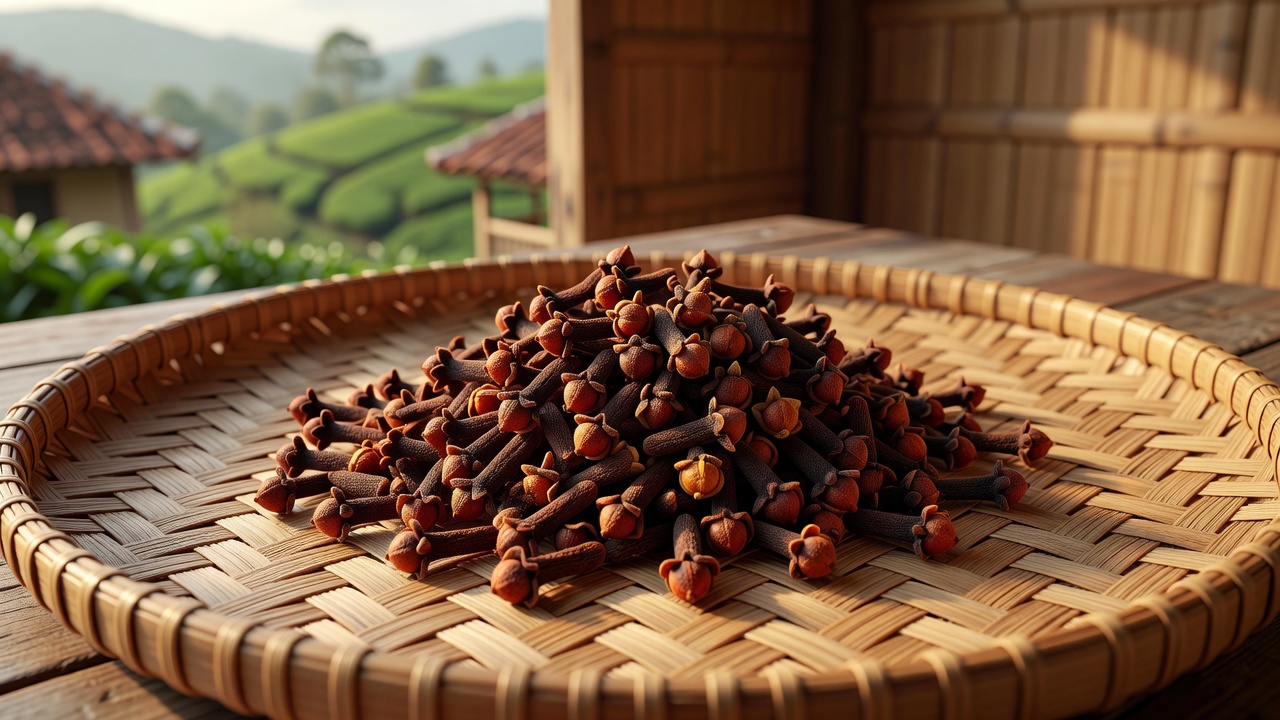
Every container of Indonesian clove that leaves Tanjung Priok carries more than just eugenol-rich buds—it carries a paper trail that determines whether your shipment clears customs in Rotterdam, Jeddah, or Mumbai without costly delays. At TasikSpice, we treat export documentation as a core part of quality assurance. This 2026 season, as global demand for Syzygium aromaticum continues to rise, understanding the three essential shipping documents—the phytosanitary certificate, certificate of origin, and Bill of Lading—will save you time, money, and regulatory headaches. Known locally as cengkeh, Indonesian clove from our Tasikmalaya highland and Central Java partner farms is exported under strict compliance protocols.
Why Export Documentation Defines a Reliable Clove Spice Supplier
For bulk clove Indonesia buyers, documentation is not bureaucracy—it is the difference between a clean handover and a quarantined container. The clove spice supplier you choose should be able to provide complete, accurate paperwork before your cargo sails. TasikSpice works closely with Indonesia's Agricultural Quarantine Agency (Barantan), the Ministry of Trade, and freight forwarders to ensure every shipment of eugenol-rich clove meets destination-country requirements.
In 2026, several markets—especially the Middle East, South Asia, and Europe—are tightening residue limits and traceability requirements. Proper documentation also supports your own food safety audits. When you buy Indonesian clove from TasikSpice, you receive a documentation package that includes not only the three core documents below but also fumigation certificates, quality analysis reports, and packing lists as needed. A reliable exporter never leaves paperwork to chance; every field is verified against your purchase order or letter of credit before the container is sealed.
Step-by-Step: Phytosanitary Certificate, Certificate of Origin, and Bill of Lading
Step 1: Phytosanitary Certificate (PC)
A phytosanitary certificate confirms that your Indonesian clove (Syzygium aromaticum) is free from quarantine pests and meets the plant health regulations of the importing country. Without it, customs authorities in most countries will not release a spice shipment. For eugenol-rich clove, which is valued for its high volatile oil content, the PC also gives buyers confidence that the product was handled under hygienic post-harvest conditions.
Here is how TasikSpice secures a PC for each order:
- Harvest-time field inspection: Our quality team checks clove buds for signs of mold, insect damage, and foreign matter at partner farms in Tasikmalaya and Central Java during the June–September 2026 harvest window.
- Post-harvest drying and sorting: Cloves are sun-dried to 12–13% moisture content, hand-sorted to remove stems and headless buds, and packed in food-grade jute or polypropylene bags.
- Laboratory testing: Samples are tested for moisture, ash, volatile oil content, and eugenol percentage. Indonesian clove typically contains 70–90% eugenol in its essential oil, depending on origin and maturity, which meets most international spice specifications.
- Quarantine inspection: A Barantan officer inspects the sealed cargo and issues the phytosanitary certificate, usually within 1–3 working days after inspection.
For organic-certified lots, TasikSpice also includes the organic transaction certificate, but the phytosanitary certificate remains the primary plant-health document for every bulk clove Indonesia shipment.
Step 2: Certificate of Origin (COO)
The certificate of origin proves that your cloves were grown and processed in Indonesia. This is critical for claiming preferential tariffs under trade agreements such as the Indonesia-Australia IA-CEPA, the ASEAN-China FTA, or the Indonesia-EFTA agreement, depending on your market. Without a valid COO, importers may pay full duty rates or face customs rejection.
For Indonesian clove exports, TasikSpice typically issues two forms:
- Form E: For shipments to China under the ASEAN-China Free Trade Area, reducing import duty on dried cloves.
- Form A or general COO: For Middle Eastern, South Asian, and European buyers, often required by the importer's bank for letters of credit.
We prepare the COO application through Indonesia's Ministry of Trade online system (e-SKA), verifying product description, HS code 0907.10.00 for cloves, gross/net weight, and shipment details. The original COO is issued and couriered to you or your freight forwarder before vessel arrival. TasikSpice cross-checks the COO against the commercial invoice and packing list to eliminate discrepancies that can delay bank payment.
Step 3: Bill of Lading (B/L)
The Bill of Lading is the transport contract issued by the shipping line. It serves three functions: a receipt for the goods, evidence of the carriage contract, and a document of title. For bulk clove Indonesia shipments, the B/L must match the phytosanitary certificate, COO, invoice, and packing list exactly. A single typo in consignee name or container number can trigger demurrage charges at the destination port.
TasikSpice coordinates with the freight forwarder at Tanjung Priok, Jakarta, to ensure:
- The B/L consignee and notify party match your purchase order or letter of credit.
- The cargo description reads "Indonesian Clove, Syzygium aromaticum, dried, 2026 crop" with correct container and seal numbers.
- Freight terms (FOB or CNF) are stated clearly. Our standard terms are FOB Tanjung Priok, Jakarta, but we can arrange CNF to your destination port.
- Original B/L copies are released only after all export documents are verified, preventing discrepancies that cause delays.
Once the vessel departs, TasikSpice sends you scanned copies of all three documents within 48 hours, with originals following by courier. This allows your customs broker to begin pre-clearance while the cargo is still at sea.
2026 Season Compliance: Working with TasikSpice for Smooth Indonesian Clove Shipments
The 2026 Indonesian clove season is expected to deliver strong volumes, with initial harvest reports from Tasikmalaya and Central Java showing good bud formation and eugenol-rich clove profiles. However, global shipping schedules remain tight, and documentation errors are the single most common cause of demurrage and storage charges at destination ports. Proactive buyers are already securing contracts now to avoid last-minute supply gaps.
As a dedicated clove spice supplier, TasikSpice minimizes these risks by:
- Preparing documentation checklists before each shipment.
- Cross-checking all data fields—consignee, weight, HS code, phytosanitary references—before cargo handover.
- Liaising directly with quarantine officers and shipping lines in Jakarta.
- Updating buyers proactively if any document requires amendment.
If you are sourcing bulk clove Indonesia for food manufacturing, spice blending, or essential oil extraction, ask for a complete documentation sample before you commit. A reliable exporter will always provide it. Contact TasikSpice on WhatsApp to request our 2026 season export documentation template, current FOB Tanjung Priok pricing, and available grades of Indonesian clove.
Let us handle the paperwork while you focus on your market. Message TasikSpice now at +62 812-9869-9940 to discuss your next shipment.
Interested in sourcing premium Indonesian spices?
Contact TasikSpice on WhatsApp for FOB pricing, samples, and MOQ details.