Why Tasikmalaya's Microclimate Grows Superior Cubeb Pepper
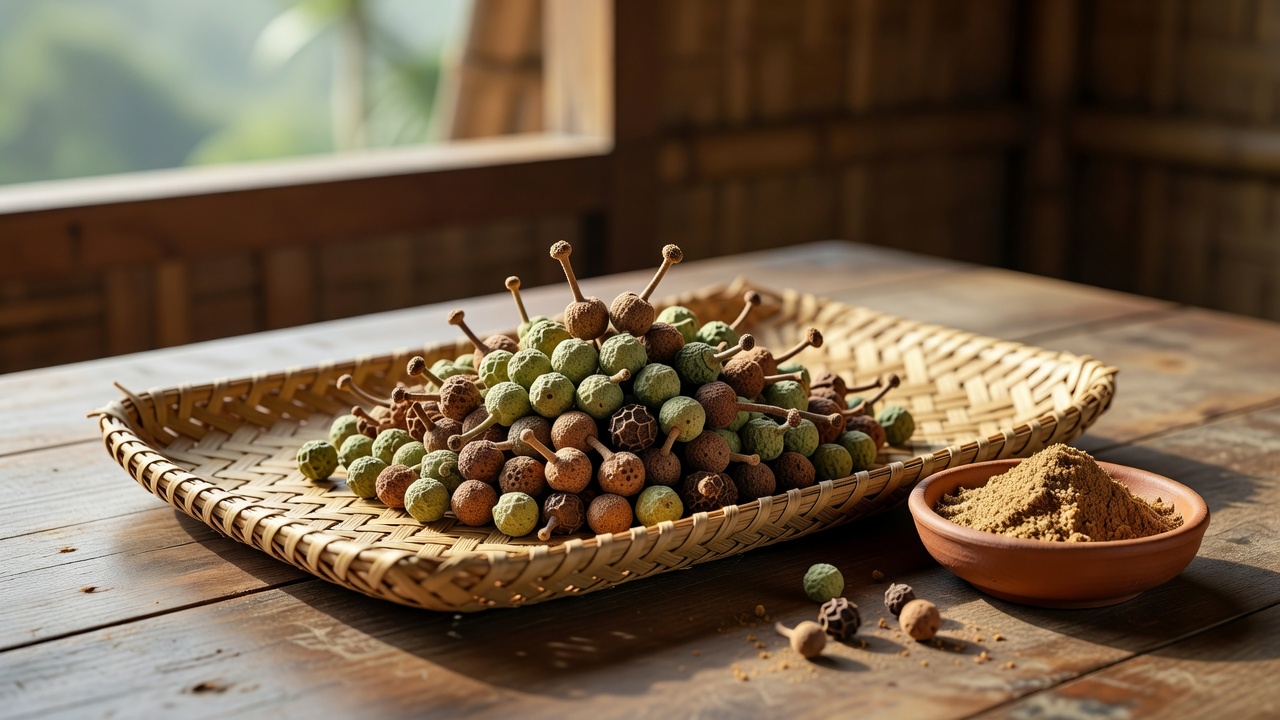
If you have ever wondered why discerning buyers of tailed pepper keep returning to West Java, the answer is not found in a warehouse or on a price sheet. It is found on mist-covered volcanic slopes above 700 meters, where the Tasikmalaya highlands create one of the most remarkable spice-growing environments on earth. For anyone sourcing Indonesian cubeb (Piper cubeba, known locally as kemukus), understanding this terroir is the fastest way to understand why 2026 crop lots from this region consistently outperform commodity-grade material.
A Volcanic Terroir Engineered for Piper Cubeba
Tasikmalaya occupies the southern highland belt of West Java, where smallholder farms climb the foothills of Mount Galunggung and the surrounding ranges at elevations between 600 and 1,400 meters. At these altitudes, temperatures hold a narrow, gentle band of roughly 18 to 26 degrees Celsius throughout the year. That stability matters enormously for Piper cubeba, a vine that suffers under both tropical heat spikes and cold stress.
The real secret, however, is the diurnal temperature swing. Warm, sunny days drive vigorous photosynthesis, while cool mountain nights slow the vine's respiration. Over a long maturation cycle, this daily rhythm allows sugars and volatile aromatic compounds to accumulate rather than burn off. The result is a visibly denser berry with thicker skin and a markedly higher essential oil load. Add near-daily morning fog that keeps humidity elevated without waterlogging the vines, and you have conditions that lowland plantations simply cannot replicate.
Beneath the vines lies equally important ground. Centuries of volcanic ash deposits have created young, fertile andosol soils rich in potassium, magnesium, and phosphorus, with the loose structure and drainage that cubeb roots demand. Healthy roots mean healthy fruit, and healthy fruit means consistent shipments season after season.
There is also a cultural dimension to this terroir. Tasikmalaya farmers traditionally grow cubeb in shaded polyculture systems, intercropped beneath stands of Candlenut and White Cardamom along with banana and albizia canopy trees. The shade buffer moderates heat, suppresses weeds naturally, and reduces pest pressure without heavy chemical inputs. This low-intervention approach is why the same highlands have earned a parallel reputation for both of those companion spices — and why the region's cubeb carries such a clean, uncontaminated character.
The 2026 Harvest: Reading Quality in the Tail
So far, 2026 has been a generous year in the highlands. Rainfall was well distributed through the first half of the season with no prolonged drought, supporting staggered flowering between February and April. Harvesting opened in late July and will run through October, which means that as we move through late August 2026, the finest lots of the season are arriving at collection points right now.
Quality begins at picking. Experienced harvesters select each berry individually while it is still fully green and immature, taking care to leave the slender stalk — the famous tail that gives tailed pepper its name — firmly attached. Multiple passes through the same gardens ensure nothing is harvested prematurely or left to overripen. Berries reach drying stations within hours, preventing any chance of fermentation or discoloration.
Drying takes five to seven days on raised bamboo racks under sun, with regular turning and solar-assisted covers during humid afternoons. The target is twelve percent moisture or below, which locks in the signature grey-green color and eliminates mold risk during ocean transit.
2026 Crop Specifications TasikSpice Is Shipping Now
Current-season lots from our partner cooperatives are testing against the following export specification:
- Moisture content: maximum 12 percent
- Essential oil content: minimum 15 percent (v/w)
- Foreign matter: maximum 1 percent
- Color: uniform greyish-green with intact tails
- Aroma: sharp, camphoraceous, pine-like top notes with a warm bitter finish
These figures are not marketing language — they are a direct expression of terroir. Lowland material frequently tests two to four points lower on oil content and arrives with duller color and softer aroma. Every TasikSpice lot can be verified through third-party laboratory analysis before you commit funds.
If your blending schedule for the fourth quarter depends on securing high-oil Indonesian cubeb, now is the moment to act. Contact TasikSpice directly on WhatsApp at +62 812-9869-9940 to review current 2026 crop availability and reserve lots before peak-season allocations close.
From Highland Cooperative to Java Pepper Export Gateway
Terroir alone does not deliver quality to your warehouse — handling does. TasikSpice aggregates dried cubeb from smallholder groups scattered across the Tasikmalaya highlands and processes everything through a central facility equipped with mechanical cleaning, gravity separation, sieving, metal detection, and final hand sorting. Product is packed in new jute or polypropylene bags of 25 or 50 kilograms, with food-grade inner liners available on request.
All shipments move on FOB terms from Tanjung Priok, Jakarta, the established gateway for Java pepper export. A twenty-foot container accommodates roughly 12 to 13 metric tons of cubeb, and standard lead time from confirmed order to vessel loading runs two to three weeks depending on volume. Every consignment ships complete with a certificate of origin, phytosanitary certificate, and certificate of analysis, so customs clearance in destination ports proceeds without surprises.
Demand signals remain strong across all three major markets. Middle Eastern buyers continue purchasing for traditional food and wellness applications, South Asian blenders value the berry's punch in masala mixes, and European distillers and charcuterie producers are steadily expanding their botanical programs. As global interest in distinctive spices grows, supply from genuinely superior origins becomes the differentiator — and origin is exactly what the highlands provide.
When evaluating offers this season, ask suppliers one simple question: where exactly was this cubeb grown, and at what elevation? If the answer is not the volcanic highlands, the laboratory results will eventually tell you anyway. Partner with a cubeb spice supplier rooted in the source itself. Message TasikSpice today via WhatsApp +62 812-9869-9940 and taste what the Tasikmalaya microclimate delivers.
Interested in sourcing premium Indonesian spices?
Contact TasikSpice on WhatsApp for FOB pricing, samples, and MOQ details.