Women-Led West Java Cooperatives Export Cubeb Pepper
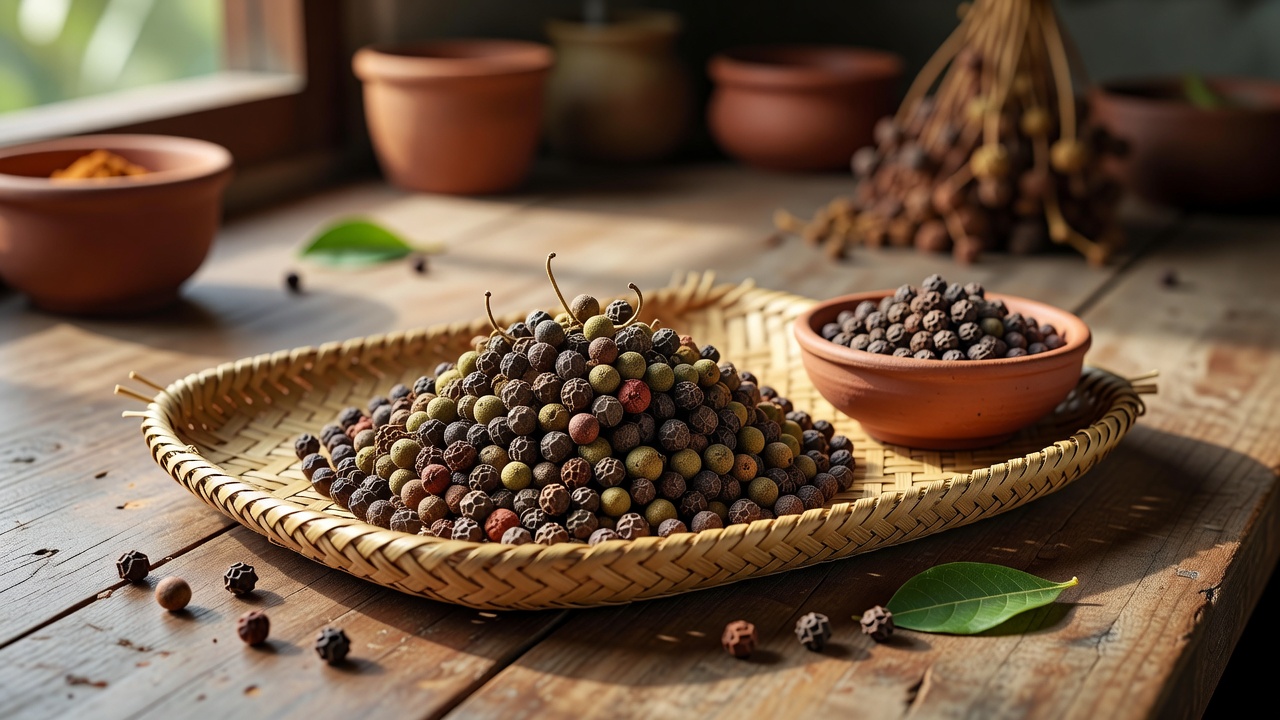
In the cool, volcanic highlands of Tasikmalaya, West Java, a quiet transformation is taking root in Indonesia’s spice trade. Here, cubeb pepper — known locally as kemukus — is increasingly cultivated, harvested, and graded by women-led farming cooperatives. These female-run groups are not only preserving traditional knowledge of Piper cubeba, but also setting new benchmarks for cleanliness, traceability, and consistency in the global tailed pepper market.
For international spice buyers and food manufacturers seeking reliable bulk cubeb Indonesia supply, this shift matters. It means better drying practices, more uniform berry size, lower foreign matter, and a transparent supply chain from West Java highland plots to FOB Tanjung Priok, Jakarta. TasikSpice works directly with these cooperatives for the 2026 season, connecting their carefully processed Java pepper export lots to buyers in the Middle East, South Asia, and Europe.
Why Female-Led Cooperatives Are Strengthening Indonesian Cubeb Quality
Cubeb pepper is a labor-intensive crop. The berries grow in tight clusters on climbing vines, and each fruit must be picked at the right maturity to preserve its signature tailed shape and high volatile oil content. In the women-managed cooperatives around Tasikmalaya, harvesting is scheduled around the dry-season windows when spice oils concentrate in the berries. Workers hand-pick clusters early in the morning, then transport them in woven bamboo baskets to avoid bruising.
Post-harvest handling is where female leadership makes a measurable difference. At cooperative drying stations, women sort and turn the berries on elevated bamboo mats under partial shade, a slow-drying method that stabilizes the essential oil profile and prevents mold. After drying, berries pass through multiple hand-sorting stages to remove stems, immature green berries, and split or broken tails. Because the curved “tail” is a key visual marker of authentic Indonesian cubeb, preserving its integrity during drying and packing is a top priority. Buyers sourcing Java pepper export often note that cooperative lots show fewer broken tails and more consistent dark-brown to black color than mixed-origin consignments.
Beyond quality, female-led cooperatives create durable rural livelihoods. In many highland villages, women have historically handled spice sorting and drying, but rarely controlled sales or export decisions. By formalizing their roles, these cooperatives help retain income within farming communities and encourage younger generations to stay in agriculture. For TasikSpice, this is more than a social story; it is a practical sourcing advantage because motivated, well-trained sorters produce more uniform lots.
Post-Harvest Handling and Export Specifications for Java Pepper
TasikSpice grades cubeb pepper from cooperative partners according to export-ready standards. Typical parameters for our bulk cubeb Indonesia lots include:
- Moisture content: 10–12% maximum
- Foreign matter: 1% maximum
- Immature or undersized berries: 2–3% maximum depending on grade
- Essential oil content: 10% minimum, with typical lots ranging 10–18%
- Appearance: Dark brown to black tailed berries, hand-cleaned or machine-cleaned
- Packaging: 25 kg or 50 kg food-grade polypropylene bags with inner liner
The cooperative model reduces contamination risk because every harvest batch is traceable to a specific highland village and drying station. For exporters, this means fewer quality disputes and faster loading at Tanjung Priok. TasikSpice does not publish fixed FOB prices because rates move with harvest volume, currency, and lot size. However, buyers consistently find Indonesian cubeb pepper competitive against other Piper species and regional spice alternatives, especially for grinding, distilling, and spice-blend formulation. For a current FOB Tanjung Priok quote, chat with our export team on WhatsApp.
2026 Season Outlook: Female Cooperatives Expand Supply of Indonesian Cubeb
The 2026 season is shaping up as a strong one for West Java’s women-led cooperatives. Favorable dry weather during the main berry-setting period has supported healthy flowering and fruit set. Cooperative membership has grown by roughly fifteen percent compared with last season, with younger women joining sorting and quality-control teams. Several partner groups are also moving toward organic certification, using integrated pest management and composted volcanic soil amendments instead of synthetic inputs.
This expansion matters for buyers. A larger, better-trained cooperative workforce can deliver more consistent tailed pepper volumes without sacrificing sorting precision. TasikSpice expects the main 2026 export window for Java pepper to run from August through November, with smaller later shipments possible from December to January if climate conditions remain stable. We recommend that food manufacturers and spice traders secure forward contracts early, especially for high-grade machine-cleaned lots used in Middle Eastern spice blends and European botanical applications.
TasikSpice supports each shipment with standard export documentation: phytosanitary certificate, certificate of origin, commercial invoice, packing list, and fumigation certificate where required. Because cooperative lots are traceable to specific drying stations, we can provide batch-level information for buyers who need supplier questionnaires or food safety audits. Sourcing bulk cubeb Indonesia through TasikSpice means supporting a supply chain where women manage quality from harvest to loading. It also gives buyers a dependable partner for documentation, pre-shipment inspection, and export logistics from Jakarta. To request samples of our women-led cooperative cubeb pepper, message TasikSpice on WhatsApp.
Interested in sourcing premium Indonesian spices?
Contact TasikSpice on WhatsApp for FOB pricing, samples, and MOQ details.